

Vegapack
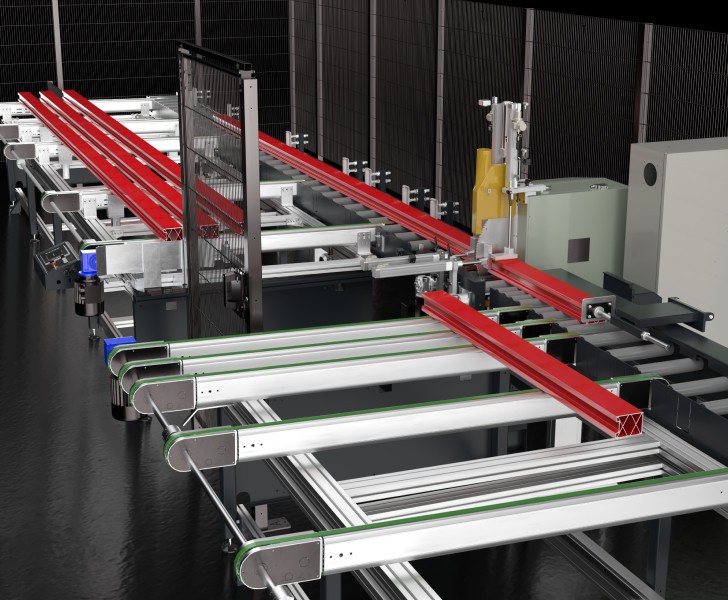
A 90° cutting centre built exclusively to cut aluminium profile bundles. The centre is composed of several interconnected units which allow a single operator to manage the entire work cycle, from the loading to the unloading phase of the custom-cut bundles. Aided by an optional copy router lift, the operator places the bundles on the step-by-step accumulation-operated loader bench (max. 4-5 bundles). A motor-driven roller then brings the bundle onto the cutting unit, which carries out an initial trimming of the bundle and then the subsequent customised cutting (work cycle set by software). Cutting swarf is discharged automatically by displacement of the central roller conveyor applied to the cutting unit. The pieces cut off from the bundle are evacuated from the cutting zone by the unloading table roller and picked up by belts to be unloaded manually by the operator.
Technical data

Included
Available
Loading/unloading magazine
The workpiece loading and unloading magazine is equipped with an automatic belt-driven translation system with sensor-regulated step-by-step accumulation operation. This enables continuous machining, reducing cycle time. The unloading magazine, available in two sizes, allows the accumulation of finished workpieces up to a maximum of 5 bundles, and a special sensor signals its saturation to the operator to allow manual unloading.
Cutting unit
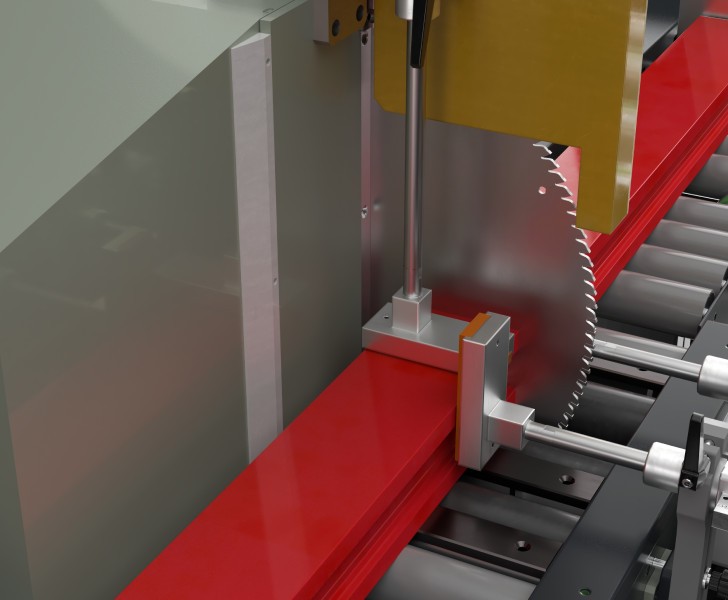
The cutting unit consists of a single-headed, front-mounted, hydro-pneumatically actuated cutting-off machine, equipped with a 550 mm Widia blade with a 90° cut. The machining cycle can be optimised by creating cutting lists, thereby reducing scrap and cycle times for workpieces loading-unloading.
Motorised roller conveyor
A motorised roller conveyor, controlled by sensors, enables the movement of the bundles from the loading magazine to the cutting unit and finally to the unloading of the cut workpieces. In the basic version of the machine, without a loading magazine, the roller conveyor is the loading area for the profile bundle.
Reference stop
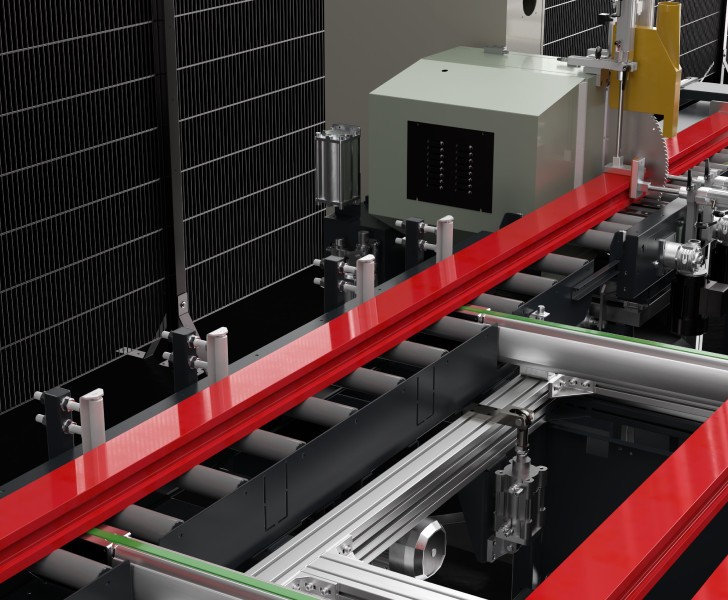
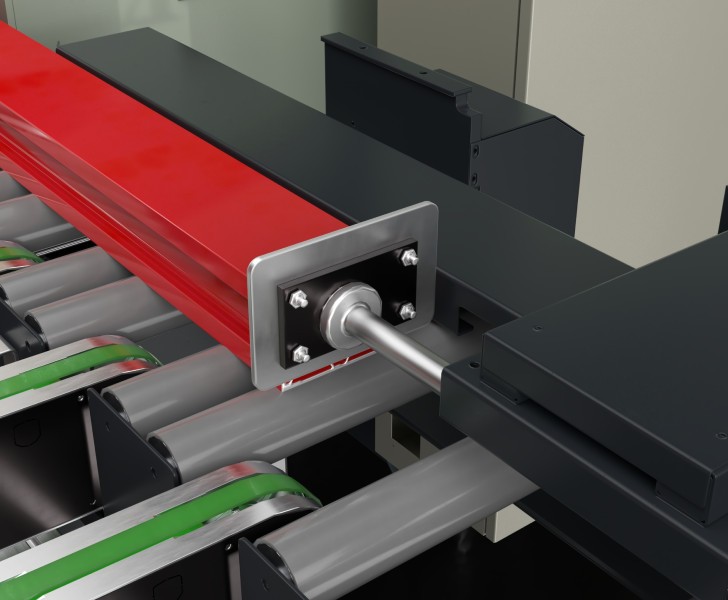
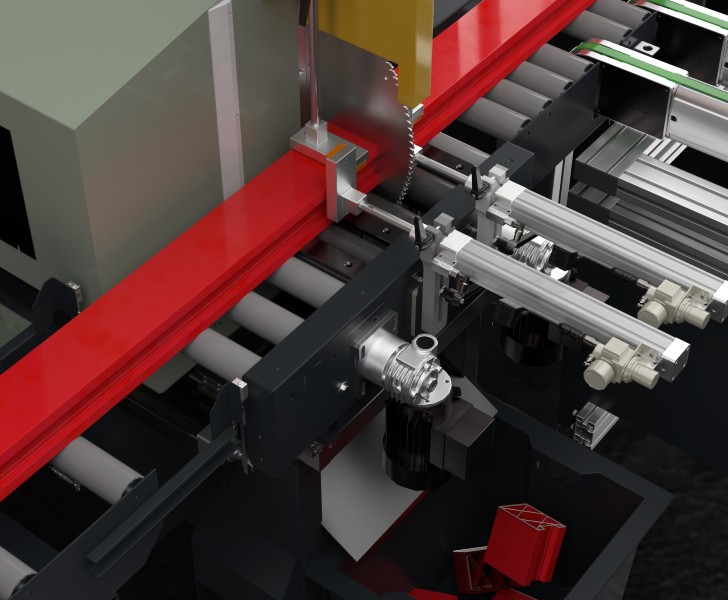
The reference stop is mounted on a carriage with numerically controlled (CNC) positioning. The material being processed is pulled over by motorised rollers and clamped with horizontal and vertical vices to make the cut to size.
Automatic swarfs unloading
Cutting swarfs are automatically evacuated by the special central roller conveyor, located between the loading and unloading areas, attached to the cutting unit. At the time of unloading the workpieces, the roller conveyor slides off, dropping the waste material into a container below. In case the blank is too long, it is evacuated regularly to the unloading magazine.
Vices
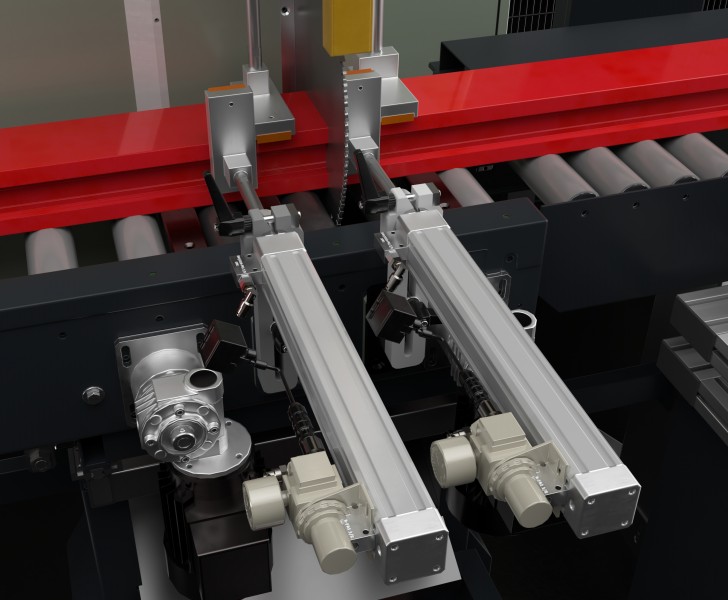
The machine has pneumatically-controlled horizontal and vertical vices with pressure measurement to adjust and check the correct pressure on the profile. Vices can be manually positioned to ensure that the profile is correctly clamped in the machine.
Control
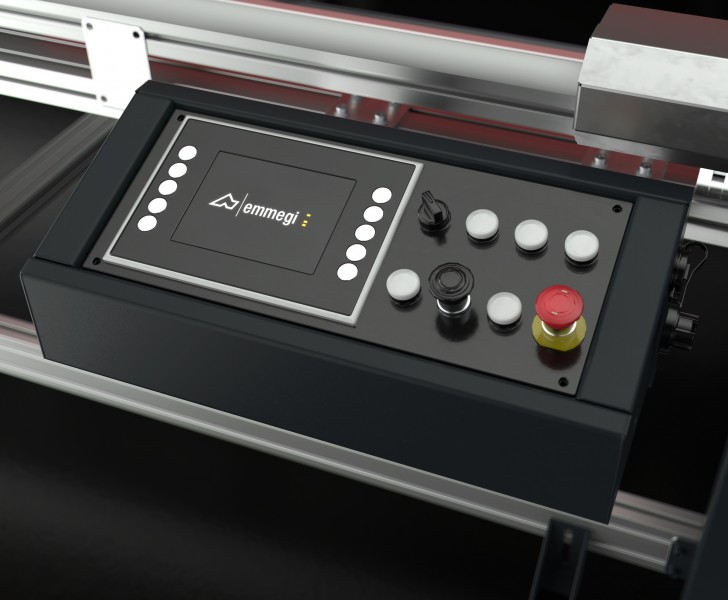
The control console has been designed to manage the machine operational functions through an efficient, simple and intuitive interface. The use of the machine by the operator is guided and facilitated through light signals and messages on the 6” touchscreen colour graphic display. The console is equipped with an Ethernet port for network connection and a USB port for local data transfer.
Lubrica lubrication system
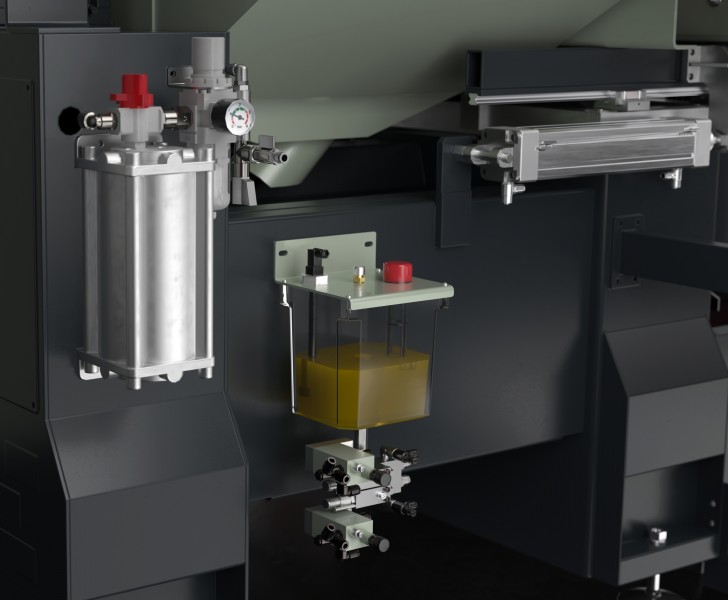
Lubrication system with minimal diffusion of cutting fluid that ensures proper lubrication and heat dissipation on the tool being machined. The frequency of the pumping pulses is manually adjusted by means of a timer; the flow rate of each pulse, visible by means of a graduated rod, can be set by manually acting on the knurled nut of each individual pump.
Provision for printer (Optional)
The machine is provisioned for the installation of a printer that can be selected from compatible models. The set-up includes enabling of the print function and mechanical and electrical presetting for connection to the printer.
Label printer (Optional)
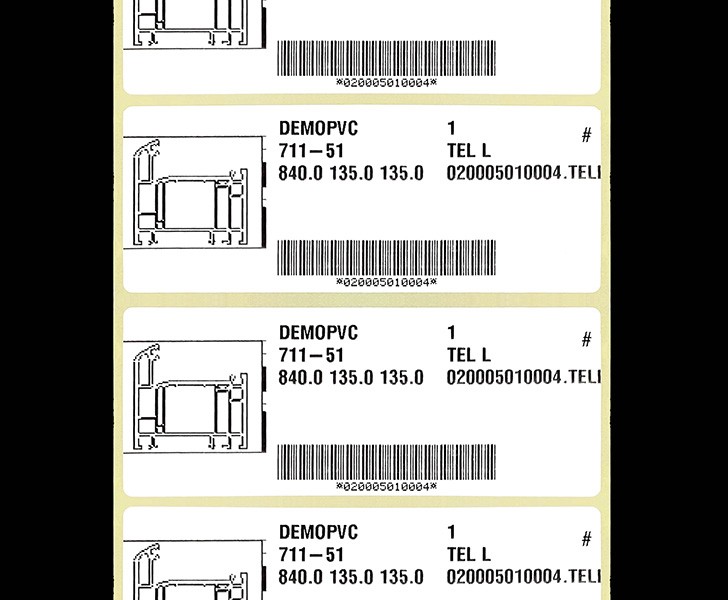
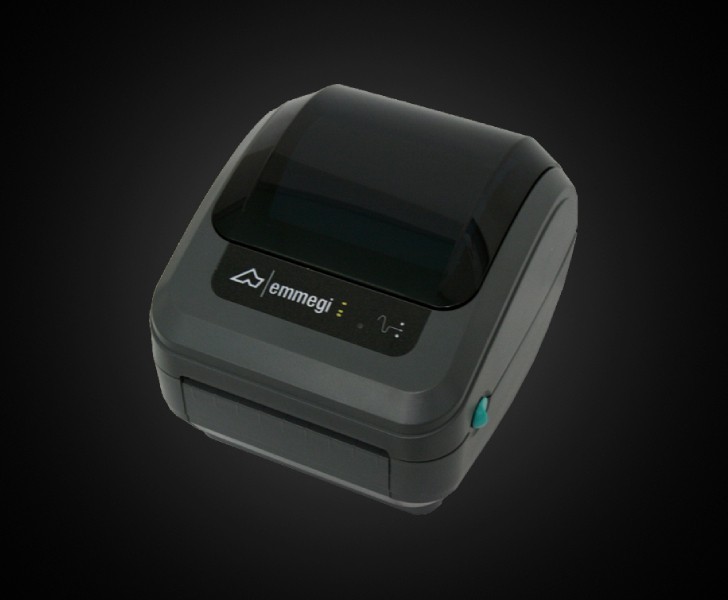
The industrial label printer allows each cut profile to be identified with identifying features from the cutting list. In addition, barcode printing enables easy identification of the profile itself, which is particularly useful for subsequent machining steps on Machining Centres or assisted assembly lines.
Radio 2D barcode reader (Optional)
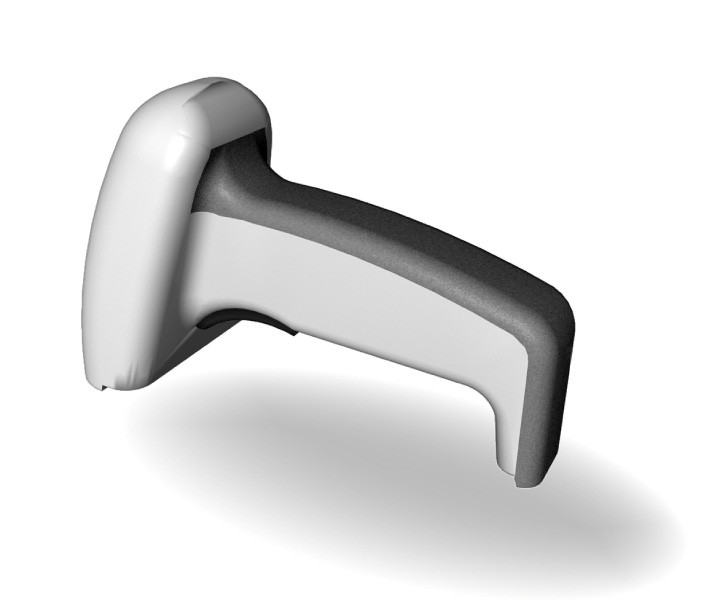
The radio 2D barcode reader automatically recognises the piece by means of the barcode label or QR-code. Any workpiece can be loaded into the machine and the cutting centre automatically prepares all cuts to be performed by reading the barcode on the label applied, greatly reducing cycle times and with no possibility of error. The radio 2D barcode reader allows you to read two-dimensional codes, where much more information can be entered than in a traditional barcode. The radio 2D barcode reader allows to move freely into working area by performing wireless data transmission with maximum practicality for the operator.
Job (Optional)
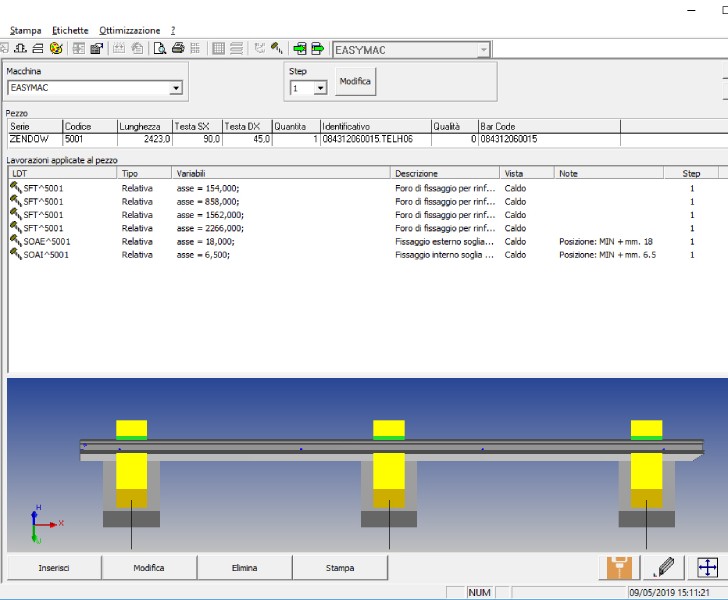
Software for managing cutting lists and linking with external calculation programmes. The Terminal Server version (in which both software and data are installed only on the server) offers the advantage of simplified maintenance, faster operation and flexible use, including from outside via the Internet, provided the maximum number of concurrent users is not exceeded.